PourPlays Journal
The $423 Billion Question: Why Millennials and Gen Z Are Walking Away from Wine (And How We’re Bringing Them Back)
The global wine market is worth $423 billion. Yet while the industry celebrates record premiumization and vintage sales, a quiet crisis is unfolding. Younger generations are walking away from wine faster than anyone wants to admit
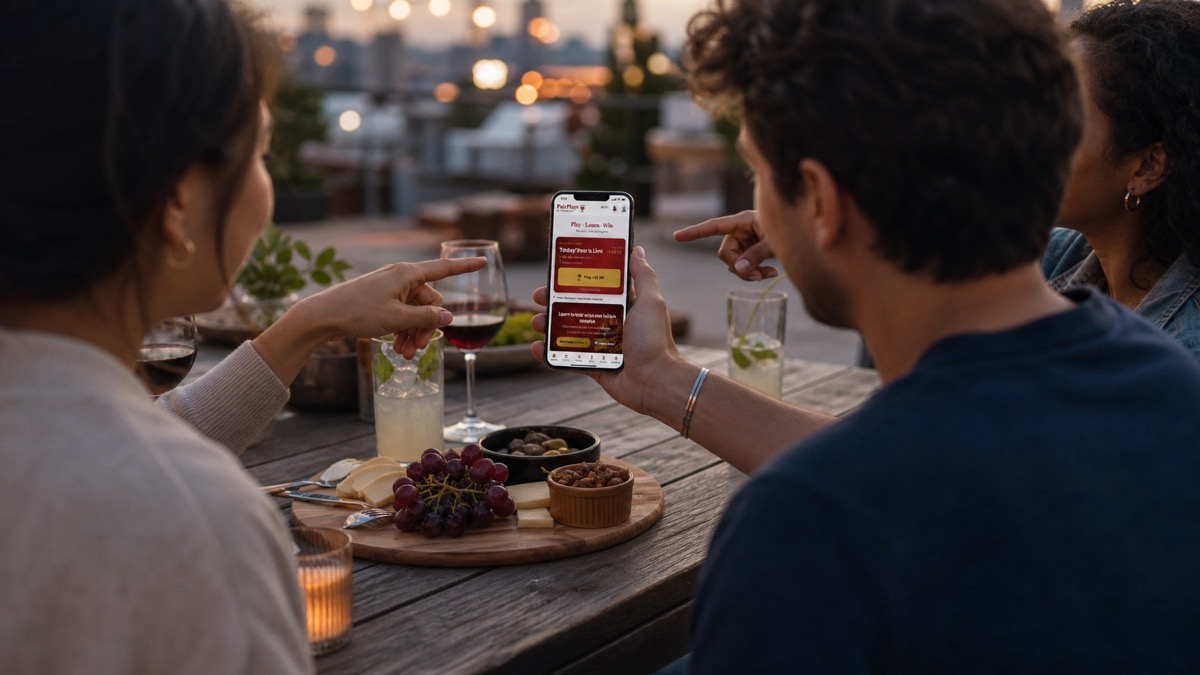
The global wine market is worth $423 billion. Yet while the industry celebrates record premiumization and vintage sales, a quiet crisis is unfolding. Younger generations are walking away from wine faster than anyone wants to admit.
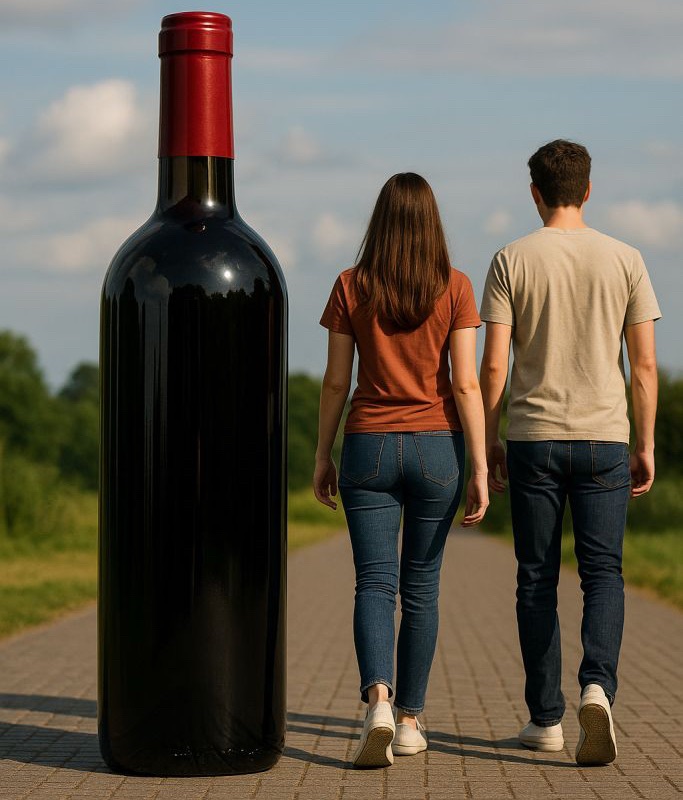
In the past decade, wine consumption among adults under 40 has declined by nearly 20% in key markets like the US and UK. Meanwhile, hard seltzers have exploded from zero to a $4.5 billion category in just five years. Craft spirits are booming. Even non-alcoholic alternatives are outpacing wine growth. The question isn’t whether younger drinkers are interested in beverages. It’s why they’re choosing everything except wine.
And for anyone looking at this industry as an investment opportunity, that trend represents both a warning and an enormous opening.
The Generational Cliff
Here’s what the data tells us. Millennials and Gen Z drinkers account for less than 30% of wine volume in most developed markets, despite representing nearly half the legal drinking population. Baby Boomers, who built the modern wine boom, are aging out. Gen X is stable but not growing. And the generation that should be stepping in to replace them is choosing cocktails, craft beer, and ready-to-drink options instead.
This isn’t just a taste preference. It’s a cultural disconnect.
When surveyed, younger drinkers consistently say the same things about wine. It feels intimidating. The language is exclusionary. They don’t know what to buy. They’re afraid of looking foolish. The experience feels designed for someone older, wealthier, and more knowledgeable than they are. In short, wine has an accessibility problem, and it’s costing the industry its future.
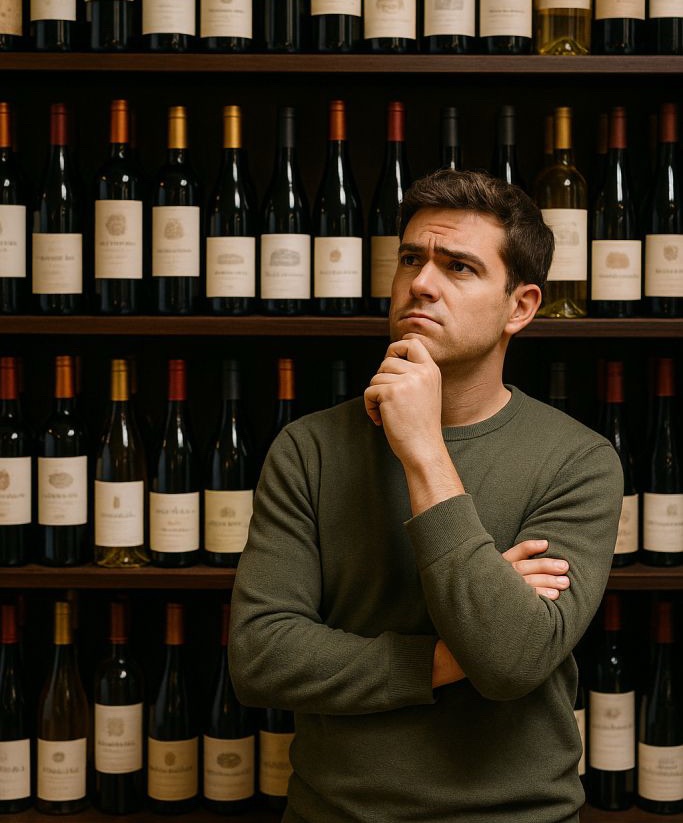
But here’s the part that matters to investors. These aren’t people who dislike wine. They’re people who haven’t been given a reason to engage with it. They want experiences, not lectures. They want discovery, not gatekeeping. And they want to learn in ways that feel social, playful, and rewarding.
The opportunity isn’t to convince them wine is worth drinking. It’s to meet them where they already are.
What Happens When Industries Ignore Generational Shifts
We’ve seen this story before in other categories, and the outcomes are predictable.
Craft beer was once dismissed as a niche for homebrewers and hobbyists. Then brands like BrewDog, Stone, and Lagunitas turned it into a culture. They made beer approachable, experimental, and social. They used storytelling, events, and digital communities to build loyalty. Today, craft beer represents over 13% of the US beer market and continues to grow, while legacy lagers struggle.
Fitness and wellness faced a similar moment. Gyms were intimidating, expensive, and built for people who already knew what they were doing. Then Peloton, ClassPass, and Apple Fitness turned exercise into content, gamification, and community. They met people at home, on their phones, and on their own terms. The result? A $96 billion global fitness app market that didn’t exist 15 years ago.
Music is perhaps the clearest parallel. The industry spent years trying to protect old models, suing file sharers and resisting digital distribution. Then Spotify arrived and said: we’ll make discovery easy, personal, and infinite. Instead of intimidating people with curation, they let algorithms and playlists do the work. Instead of making people feel behind, they made them feel like experts. Today, streaming accounts for over 80% of recorded music revenue.
Wine is at that same inflection point. The old model, built on critics, collectability, and connoisseurship, is losing relevance. But unlike beer, fitness, or music, wine hasn’t yet found its digital-native reinvention. That gap is the opportunity.
Why Wine Is 10 Years Behind
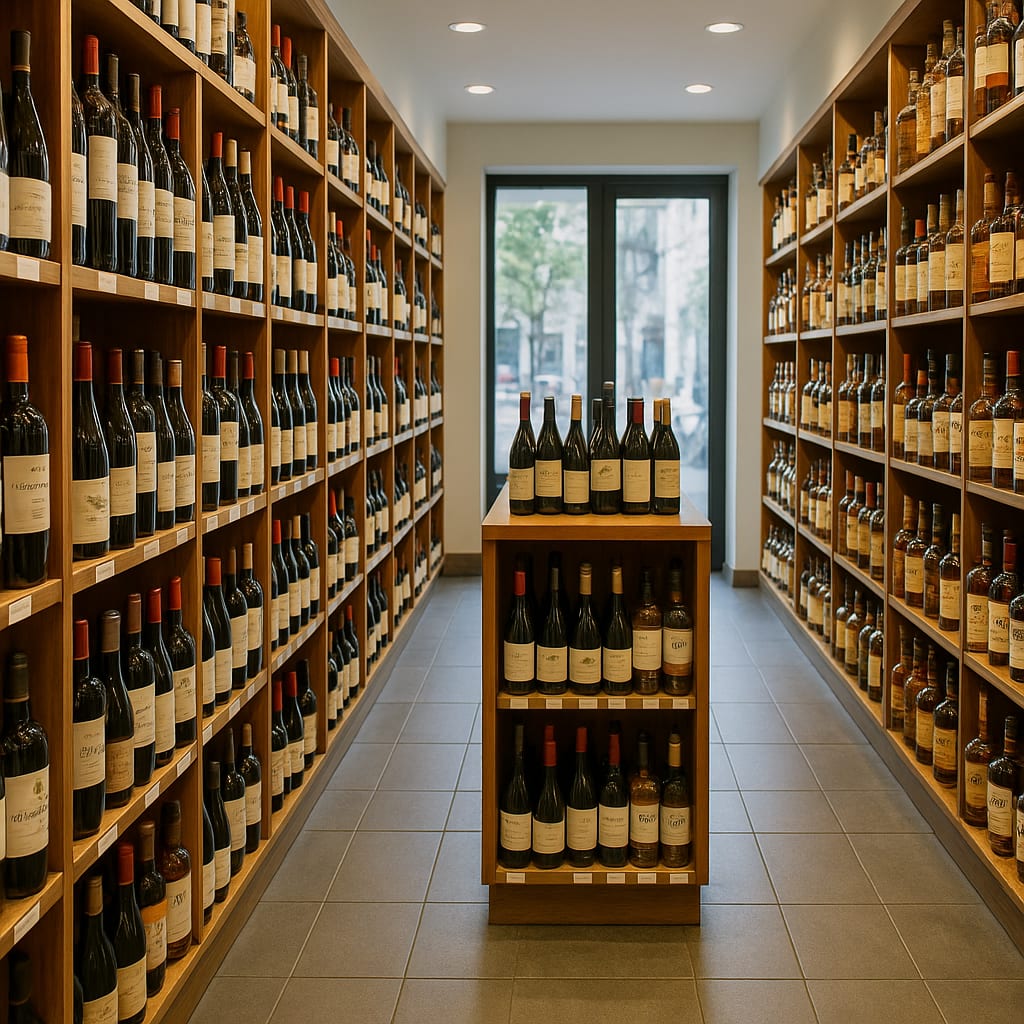
Walk into a bottle shop or open a wine app, and the experience hasn’t fundamentally changed in two decades. You’re still confronted with hundreds of labels, cryptic tasting notes, and a 100-point scoring system designed for collectors, not casual drinkers. Even the most well-intentioned retailers and platforms are stuck using the language and frameworks of the past.
Compare that to spirits. Platforms like Drizly and Flaviar have made discovery seamless, social, and fun. Whiskey and gin brands run tasting clubs, limited drops, and experiential events that feel more like streetwear launches than liquor sales. Cocktail culture has embraced TikTok, YouTube, and influencer-driven content in ways that feel native to how younger people consume media.
Wine, by contrast, still leans heavily on traditional publishing, in-person tastings, and critic-driven recommendations. Digital engagement is largely transactional. Social features are minimal. Gamification is nearly nonexistent. The result is a category that feels static in a world that rewards interaction, personalisation, and play.