
PourPlays Journal
Gen X Is Wine’s Overlooked Opportunity
Wine Enthusiast shows why Gen X deserves more attention from wine brands—and why better engagement starts by seeing people, not stereotypes.
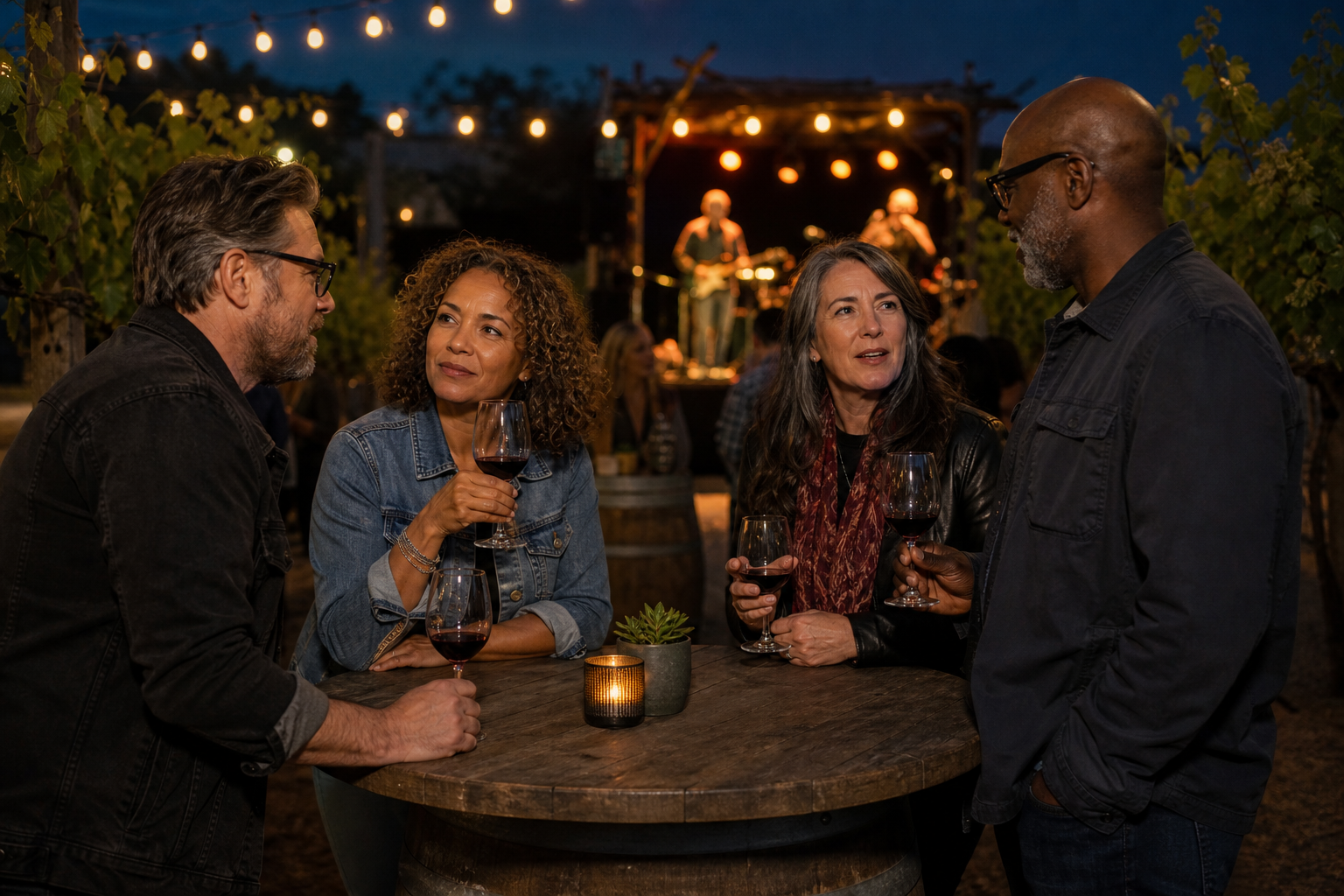
Wine marketing spends a great deal of energy looking ahead to Gen Z or back toward Boomers. Between them sits a generation with meaningful buying power, years of wine experience, and remarkably little attention from the industry.
In “The Wine Industry Is Forgetting About an Important Generation”, Wine Enthusiast writer Emily Saladino makes the case that Gen X is not a small side audience. It is an active wine market that brands routinely overlook.
The lesson for wine is bigger than a demographic correction. People remain curious at every age, and a modern wine experience should not assume that digital discovery belongs only to the youngest adults.
The numbers challenge the industry’s blind spot
Saladino reports that roughly 65 million Americans were born between 1965 and 1980. Citing NielsenIQ and analysis published by the World Economic Forum, the article says Gen X is expected to drive consumer spending to $23 trillion by 2035.
That influence reaches the wine aisle. Liz Thach, MW, former president of the Wine Market Council, tells Wine Enthusiast that Gen X is the largest purchaser of luxury wine in the United States. The article also cites Wine Market Council figures showing that 35% of Gen X consumers buy wine priced between $50 and $99 at least once a year, compared with 25% of Boomers and 29% of Millennials.
This is not an audience waiting to discover whether it likes wine. Many Gen X drinkers already buy it, share it, collect it, and know what they enjoy. The opportunity is to make their next discovery more relevant and engaging.
Digital does not mean youth-only
Too much marketing treats age and technology as opposites. But Gen X moved from analog childhoods into digital working lives. Its members adopted email, e-commerce, smartphones, streaming, and social platforms as those systems emerged. A useful wine product does not need to explain digital life to them. It needs to respect their time and deliver real value.
That is where play can be more than a novelty. A daily wine challenge offers a quick mental break. Pairing rounds connect knowledge to dinner. Ask the Sommelier helps answer a practical question in the moment. Progress and a Mistake Deck make learning visible without turning it into homework.
None of those experiences requires someone to identify with a generational slogan. They work because they meet adult drinkers where curiosity, convenience, and confidence overlap.
Recognition is better than a stereotype
The Wine Enthusiast article is careful about the limits of demographic labels. Generational categories can reveal broad patterns, but they can also flatten millions of distinct people into a handful of cultural references.
Wine brands should take the same care. Courting Gen X should not mean filling campaigns with retro props or recycling a soundtrack. It means recognizing an established audience, listening to what different customers value, and designing invitations that feel useful rather than patronizing.
For PourPlays, inclusion means building for legal-drinking-age adults across generations. Some arrive with years of cellar knowledge. Others want help choosing a bottle for Tuesday dinner. Both should be able to play, learn, and discover without being reduced to an age bracket.
Read the article and join the conversation
Source: Emily Saladino, “The Wine Industry Is Forgetting About an Important Generation,” Wine Enthusiast, updated August 18, 2026.
Then explore PairPlays and see what a more welcoming, useful digital wine experience can look like.
PourPlays is made for legal-drinking-age adults. Please enjoy wine responsibly.