PourPlays Journal
Is AI Changing the Future of Wine?
It is a crisp October evening. The leaves are turning, the nights are drawing in, and you have just opened a bottle of Pinot Noir. As you swirl your glass, you notice the ruby color and the scent of berries and spice. What you ma
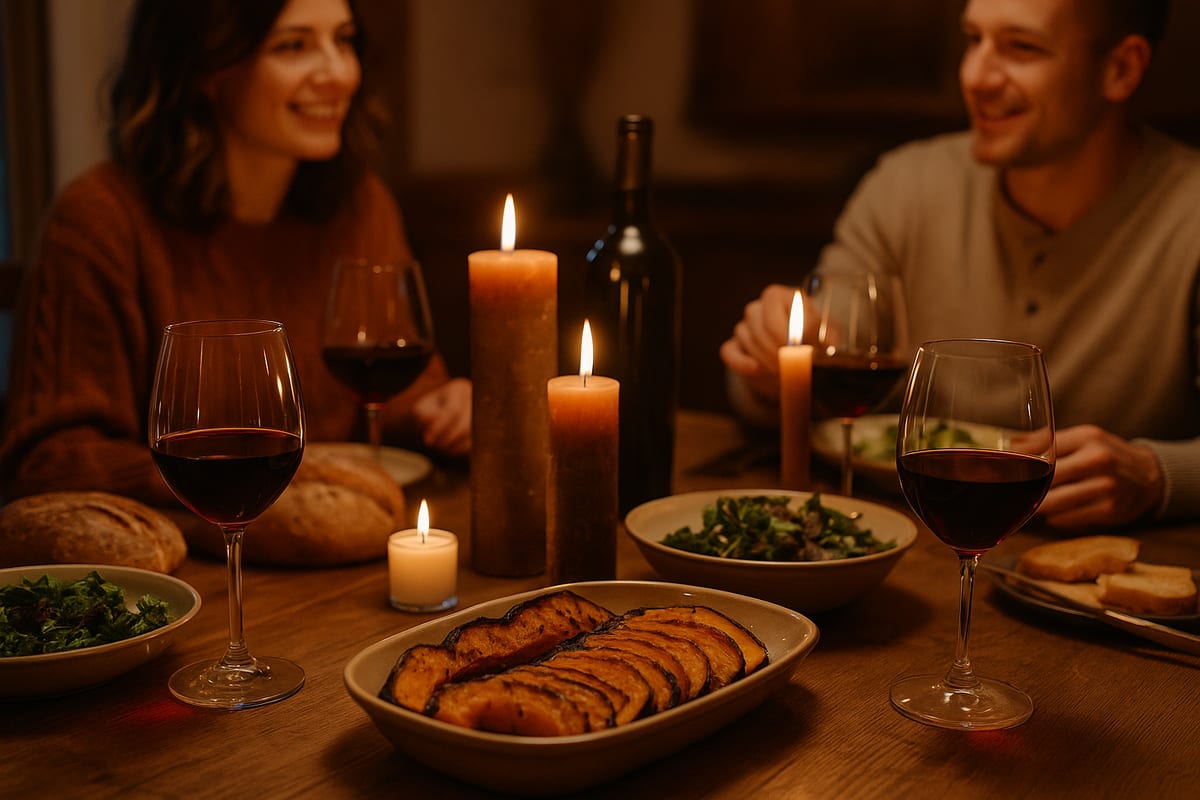
It is a crisp October evening. The leaves are turning, the nights are drawing in, and you have just opened a bottle of Pinot Noir. As you swirl your glass, you notice the ruby color and the scent of berries and spice. What you may not realize is that artificial intelligence may already have shaped that wine before it reached your table.
For centuries, wine has been guided by nature and human intuition. The grower walking the vineyard at sunrise. The winemaker choosing the right moment to harvest. The friends gathered at the table to share the result. Today a quiet shift is underway. Just as streaming transformed music and apps reshaped how we travel and shop, technology is beginning to transform wine.
Smarter Vineyards
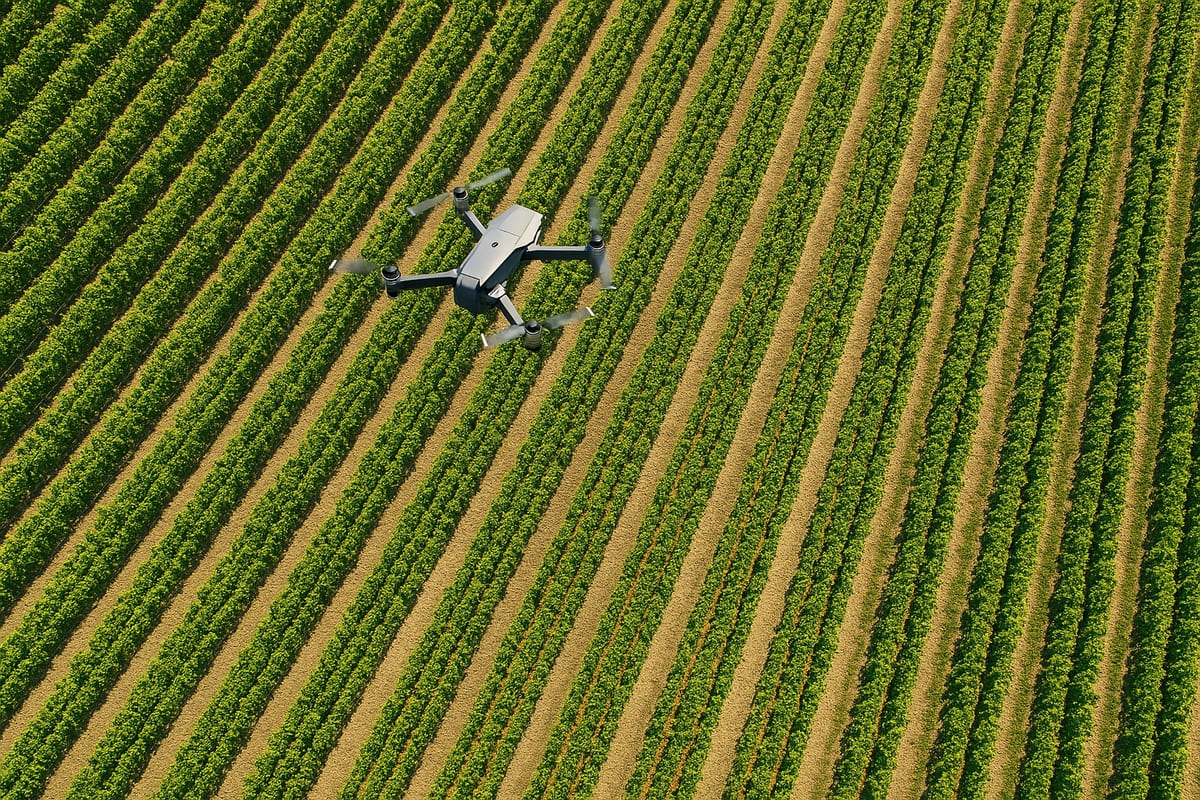
Picture a hillside in Burgundy, Napa or the Barossa. Instead of relying only on experience, winemakers now use drones and satellites to scan their vines. Artificial intelligence analyses those images and highlights areas under stress. It can spot early signs of disease, recommend irrigation and even suggest the ideal harvest date.
Inside the winery, the story continues. Fermentation is fragile. A small change in temperature can alter the character of an entire vintage. AI now monitors these changes in real time and helps winemakers make quick adjustments. Some systems can even predict how a blend will taste before it ever reaches a barrel. For drinkers this means more reliable bottles, more sustainable practices and wines that still carry the personality of their place of origin.
A New Kind of Wine Drinker
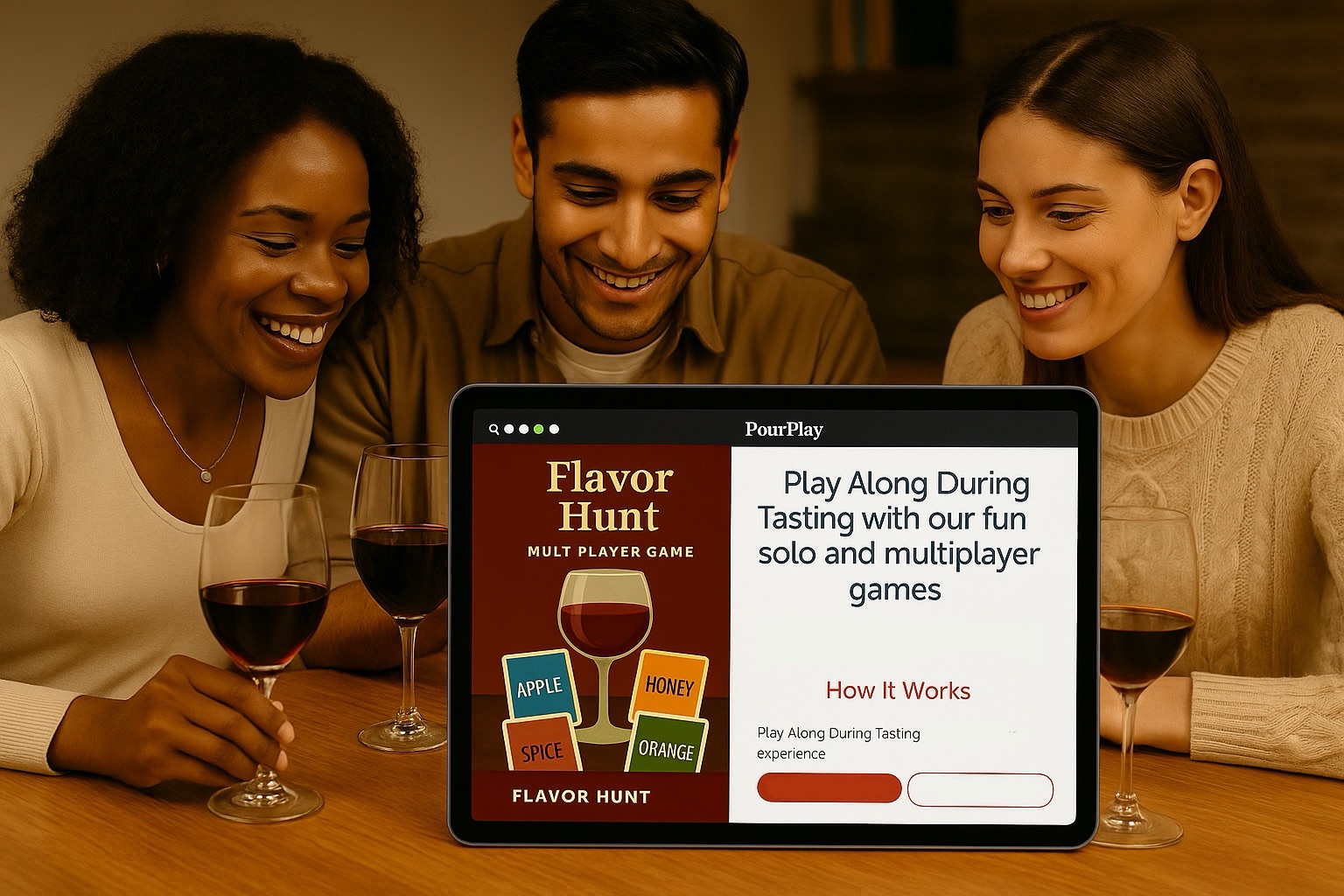
The most dramatic change is not in the vineyard. It is with us.
Wine lovers today are curious and adventurous. We want recommendations that suit our own tastes rather than generic shelf notes. We want to learn in ways that feel playful and relaxed rather than intimidating. And we want experiences we can share, whether that is at a dinner table, a party or an online tasting with friends.
Think of how Spotify made music discovery fun and personal. Think of how Netflix suggests the right film for your mood. Wine is moving in the same direction, with artificial intelligence playing a role in making discovery easier and more enjoyable.
Why We Built PourPlays
This is where PourPlays fits in. We created it to bring wine discovery into the digital age without losing the sense of joy and connection that makes wine special.
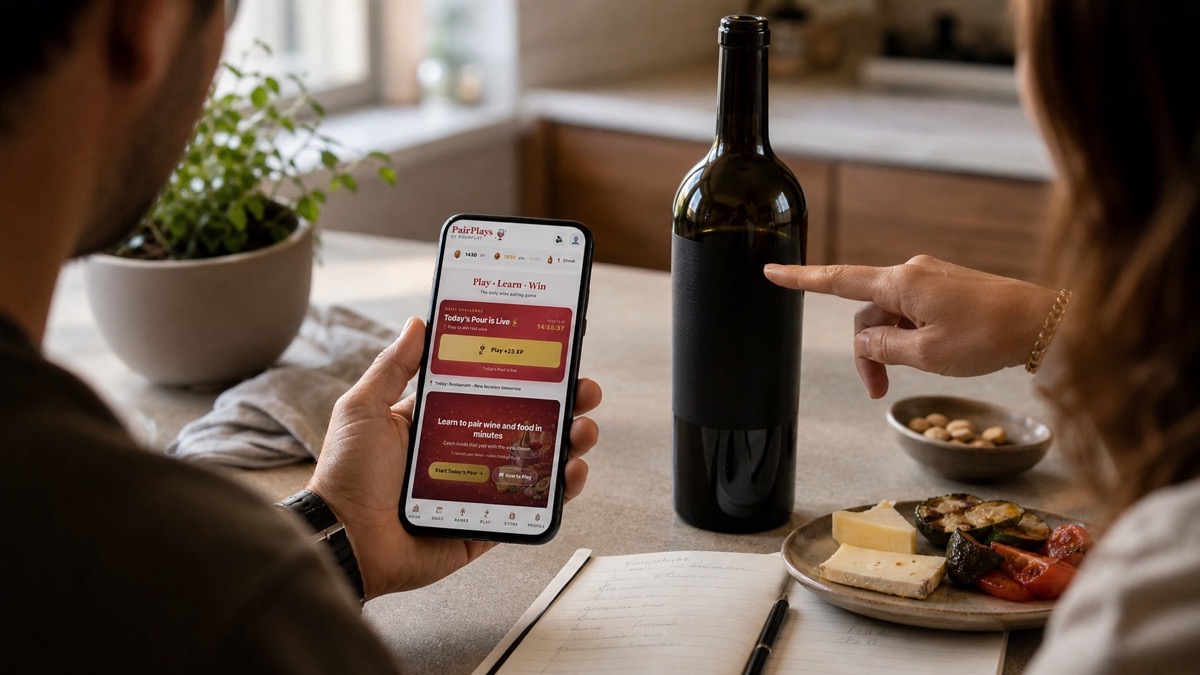
Instead of long tasting notes filled with jargon, PourPlays gives you interactive games, challenges and tastings that turn wine into an experience. You might test your palate with Flavor Hunt, where you try to pick out classic tasting notes in real time. You might play Wino, our food and wine matching game, and see which wines pair with your favourite autumn comfort dishes. You might join a live PourPlays tasting and compare notes and laughs with friends.
Every time you play, the platform learns more about your preferences. That means the recommendations become more personal the more you engage. You are not just reading about wine, you are actively discovering it.
What It Means for You
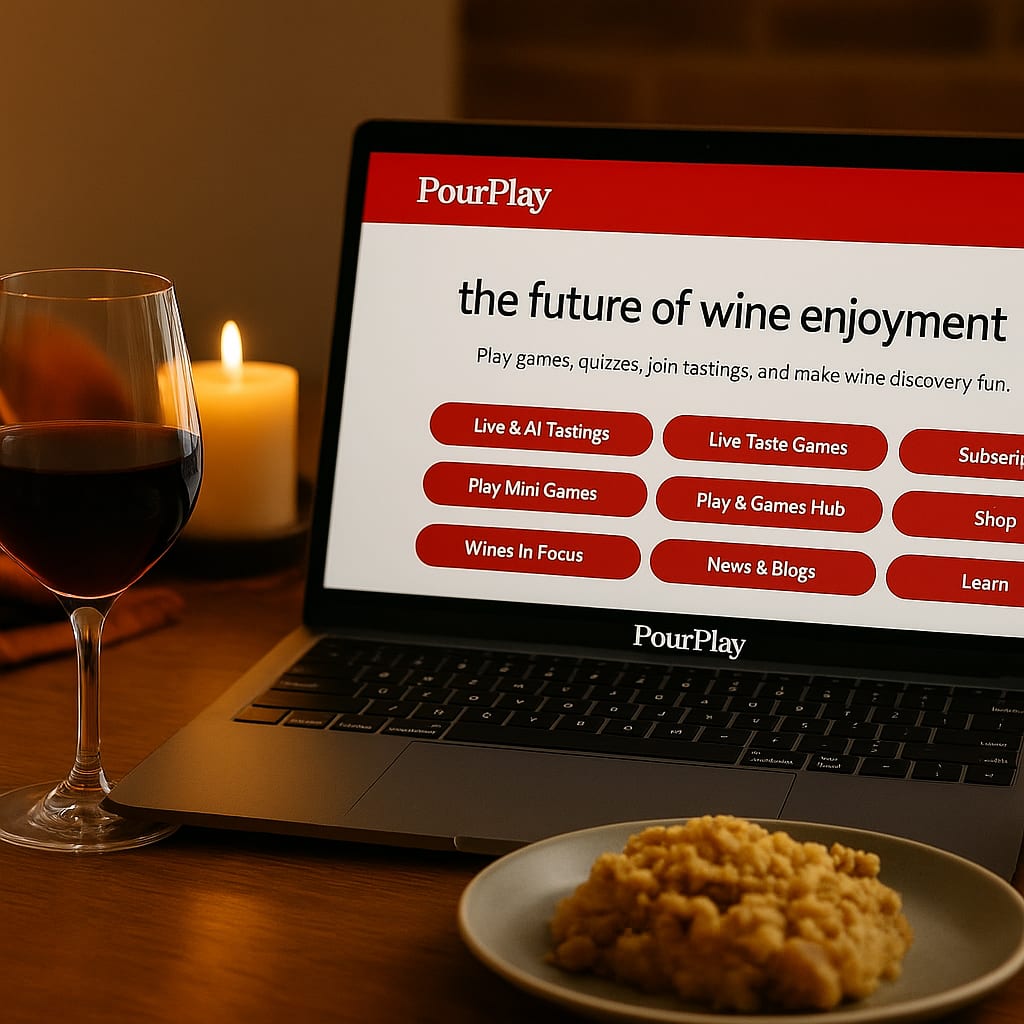
For wine lovers, PourPlays makes every glass feel like part of a journey. Instead of standing lost in front of a wall of bottles, you have tools that guide you and experiences that reward you along the way. It is discovery made fun, seasonal and social.
For our partners and retailers, the value is just as clear. The next generation of wine drinkers is changing fast. They want interaction, personalisation and connection. PourPlays keeps that link alive, helping brands stay relevant while deepening customer loyalty.
Where Tradition Meets Technology
So is artificial intelligence changing the future of wine? Yes. But it is not taking away tradition. It is helping to protect it. It is giving winemakers sharper tools. It is making wine more approachable for drinkers. And it is ensuring that the culture and stories we love around wine continue to thrive in a changing world.